Professional Auto Mechanic Services: Dependable Repairs & Maintenance for Your Vehicle
Professional automotive repair services are crucial for preserving vehicle safety and optimal performance. Scheduled maintenance aids in recognizing potential concerns before they transform into high-cost repairs. Professional mechanics conduct regular examinations to guarantee efficient vehicle operation. This not only enhances fuel efficiency but also prolongs the lifespan of the vehicle. Comprehending the significance of these services facilitates educated decisions concerning vehicle upkeep. What specific benefits exist and what symptoms signal the requirement for expert care?
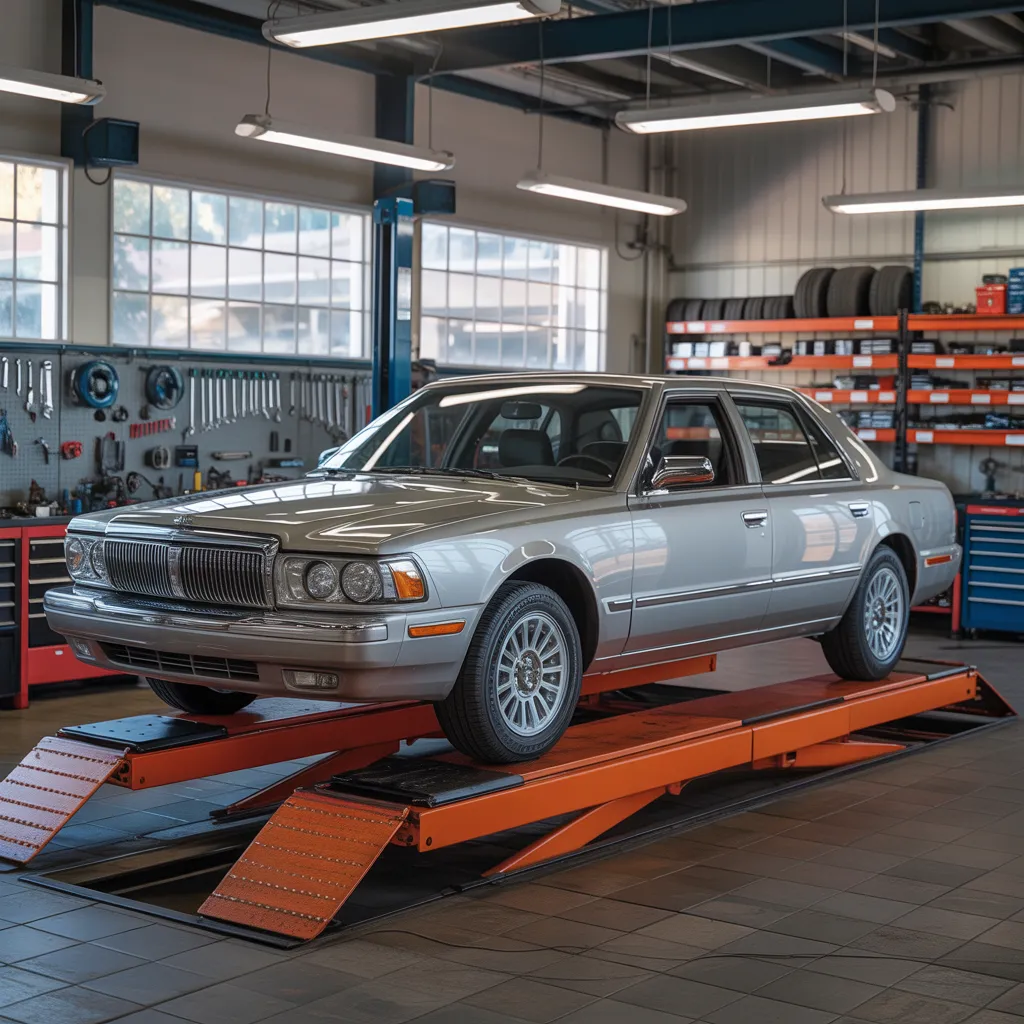
How Do Professional Auto Mechanic Services Help Avoid Expensive Repairs?
How can regular maintenance from expert auto mechanic services save vehicle owners from significant expenses down the line? By identifying and addressing potential issues early, skilled mechanics can stop minor problems from escalating into major repairs. Routine inspections and maintenance tasks, such as oil changes and brake checks, guarantee that vehicles operate safely and efficiently. Expert mechanics are trained to identify wear and tear that an untrained eye might miss, permitting timely interventions that can lengthen the life of essential components.
Additionally, scheduled maintenance can enhance fuel efficiency, lowering operational costs. When engines run smoothly, they consume less fuel, which results in savings at the pump. Furthermore, ensuring proper fluid levels and tire pressure enhances overall vehicle health. Eventually, utilizing expert auto mechanic services not only promotes safety but also prevents unexpected, costly breakdowns, guaranteeing a considerably more reliable and economical driving experience.
Key Benefits of Regular Vehicle Maintenance
Regular vehicle maintenance delivers numerous benefits that reach beyond just avoiding costly repairs. By adhering to a regular maintenance schedule, vehicle owners can improve their automobile's performance and fuel efficiency. This forward-thinking approach confirms that all components, from the engine to the brakes, are working at optimal efficiency, leading to a more pleasant driving experience.
In addition, regular maintenance can considerably lengthen the lifespan of a vehicle. Timely oil changes, tire rotations, and inspections can prevent wear and tear, eventually saving money in the long run. Furthermore, well-maintained vehicles tend to have higher resale values, making them a more attractive investment.
Another crucial advantage is safety; regular inspections can detect potential issues before they escalate, decreasing the risk of accidents. In general, regular vehicle maintenance promotes peace of mind, knowing that the vehicle is in excellent shape and ready for the road ahead.
Symptoms Your Vehicle Demands Professional Attention
At what point should a car owner think about getting professional assistance for their vehicle? A number of cautionary signals point to the requirement for professional intervention. Unusual noises, such as grinding or clunking, often suggest mechanical issues that require immediate assessment. Furthermore, if the automobile undergoes a decline in performance, such as trouble with acceleration or repeated stalling, it could be time for an expert assessment.
An additional key warning sign is the presence of warning lights on the dashboard; these signals can signal different complications that demand expert intervention. Additionally, obvious fluid leaks—such as oil, coolant, or transmission fluid—must not be overlooked, as they can cause more severe damage if left unaddressed. Last but not least, if the vehicle's handling or braking doesn't feel right, professional inspection is critical for safety. Identifying these signs early can avert costly repairs and maintain the vehicle stays in peak condition.
What Occurs During a Regular Vehicle Inspection?
In the course of a routine vehicle inspection, mechanics conduct a detailed visual examination of key components to detect potential issues. They also inspect fluid levels to maintain maximum performance and safety. This systematic approach helps maintain the vehicle's reliability and longevity.
Visual Examination Process
A comprehensive visual inspection is an essential step in routine vehicle maintenance, guaranteeing that potential problems are detected before they escalate. During this assessment, mechanics inspect various components, including tires, brakes, lights, and belts. They check for signs of wear, damage, or misalignment that may affect the vehicle's performance and safety. Additionally, the condition of the windshield, mirrors, and wipers is examined to confirm visibility and proper functioning. Mechanics also examine the exhaust system for leaks or corrosion, as these can cause serious concerns if left unaddressed. Overall, the visual inspection serves as a vital preventive measure, serving to maintain vehicle reliability and longevity while giving peace of mind to vehicle owners.
Checking Fluid Levels
Service experts diligently inspect fluid levels as part of a routine vehicle inspection to establish peak performance and safety. This process involves checking important fluids, including engine oil, coolant, brake fluid, transmission fluid, and power steering fluid. Each fluid fulfills a crucial function; for instance, engine oil lubricates moving parts, while coolant regulates engine temperature. During the inspection, qualified specialists not only examine the fluid levels but also inspect for traces of leaks or contamination. They ensure that fluids are at the manufacturer's recommended levels, which helps avoid potential mechanical failures. If any fluid is low or impure, automotive experts recommend appropriate maintenance, such as supplementing or replacing the fluid, to keep the vehicle running effectively and safely.
Important Vehicle Repairs for Secure Driving
Making certain that a vehicle is in excellent working order is vital for safe driving, as ignored issues can lead to accidents and pricey breakdowns. Essential repairs include keeping up brakes, which are vital for stopping power and overall vehicle control. Damaged brake pads or malfunctioning brake systems can greatly diminish safety.
Tire condition is another crucial aspect; properly inflated and treaded tires enhance grip and stability. related resource Frequent examinations help spot uneven wear or tire damage.
Furthermore, working headlights, taillights, and turn signals are essential for visibility and signaling with other drivers. Ignoring these can create dangerous situations, particularly at night or in bad weather.
Lastly, a reliable engine and transmission guarantee that the vehicle performs smoothly. Regular engine checks and fluid changes can prevent major failures. Combined, these repairs create the foundation of vehicle safety, supporting a protected driving experience for all road users.
Discovering a Trustworthy Auto Mechanic
How might one identify a reliable auto mechanic in a sea of options? The search commences with suggestions from friends, relatives, or online reviews, delivering insights into the experiences of others. Examining certifications is crucial; reputable mechanics often hold ASE (Automotive Service Excellence) certifications, indicating their competence.
Additionally, going to the shop can show a great deal about its level of professionalism and sanitation. A dependable mechanic will be happy to talking about repairs and answering questions with clarity. Transparency in their pricing and readiness to provide written estimates is vital.
An additional key consideration is the shop's specialization; identifying a mechanic knowledgeable about a specific vehicle make or model can provide superior service. Finally, evaluating the shop's warranties on work performed can function as an assurance of their focus on quality. Overall, a combination of research, personal referrals, and direct interactions assists in finding a reliable auto mechanic.
Cost Considerations for Professional Auto Services
Managing the expenses associated with professional auto services can be intimidating for many car owners. The cost of repairs and maintenance can differ significantly, affected by factors such as the make and model of the vehicle, the intricacy of the issue, and the local market rates. Understanding these factors is vital for making informed decisions.
Labor expenses generally represent a considerable portion of the total bill, with experienced mechanics charging premium prices. Nonetheless, choosing cheaper services may cause subpar repairs, potentially causing more severe complications in the future.
In addition, routine maintenance can aid in prevent pricey repairs in the future, making it a wise investment. Automobile owners should also evaluate the relevance of warranties and service packages, which can supply cost savings over time. In the end, analyzing both immediate costs and future benefits is crucial for preserving a vehicle effectively and economically.
FAQ
How Frequently Does My Vehicle Require Service?
Generally, it's recommended to service a vehicle every 5,000 to 7,500 miles or every half a year, whichever comes first. Routine servicing helps ensure maximum performance and prolongs the service life of the vehicle.
What Credentials Should I Search for in a Mechanic?
When seeking a mechanic, you'll want to look for certifications such as ASE (Automotive Service Excellence), manufacturer-specific certifications, and applicable state licenses. These indicators reflect a mechanic's technical training, competence, and adherence to industry standards.
Do Auto Repair Services Come with Warranties?
Auto repair warranties are routinely available, with variations according to shop and service offered. Clients ought to ask about particular conditions, length of time, and coverage specifics to verify they secure appropriate safeguards for their vehicle maintenance
Am I Capable of Performing Maintenance Tasks Independently?
People can conduct maintenance procedures themselves, given they have the appropriate equipment and understanding. However, understanding vehicle specifications and safety protocols is essential to avoid potential issues and guarantee peak performance.
Which Payment Options Do Auto Repair Facilities Usually Accept?
Vehicle repair establishments usually feature various payment alternatives, including physical currency, credit or debit cards, installment arrangements, and from time to time mobile payment solutions. A number of them could also honor checks, giving patrons options when resolving their charges.